Becoming an Amazon Software Engineering Maestro: Understanding the Different Levels and Career Progressions
Becoming an Amazon Software Engineering Maestro is a dream for many aspiring engineers. This position comes with several benefits and career progressions that can help an individual achieve their goals. However, to become a maestro, one needs to understand the different levels and career progressions in the company.
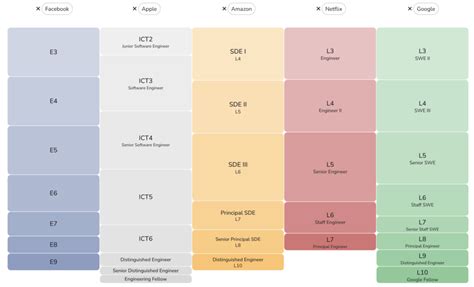
At Amazon, there are four career levels that software engineering professionals can ascend – Software Development Engineer I (SDE I), Software Development Engineer II (SDE II), Software Development Engineer III (SDE III), and finally, Principal Engineer. Each level represents a different stage of professional growth, and every engineer needs to undergo specific requirements to get promoted to the next level.
Understanding the different levels at Amazon is crucial for any software engineer who wants to attain success in their career. However, it's not just about knowing the system; sufficient effort and dedication are necessary to climb up the ladder. Thus, if you desire to become an Amazon Software Engineering Maestro, it's critical to read this article to the end to gain more insights on the different levels and career progressions available in the company.
In conclusion, Amazon Software Engineering Maestros stand out as exceptional programmers and leaders in the tech world. Achieving this high level of professionalism in this field demands not only hard work but also a comprehensive understanding of the company's different job levels and career progressions. Aspiring software engineers should, therefore, aim to advance through the different stages as quickly as possible while maintaining excellent performance and delivering impressive results. Read on to discover how you can quickly rise in Amazon's tech industry and become a highly respected maestro.
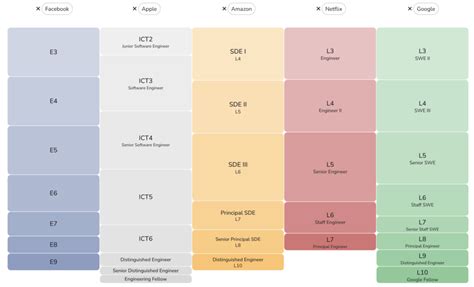
"Amazon Software Engineer Levels" ~ bbaz
Becoming an Amazon Software Engineering Maestro: Understanding the Different Levels and Career Progressions
Introduction
If you’re interested in building a career in software engineering and have been considering joining one of the top tech companies like Amazon, then understanding the different levels and career progressions is essential. Amazon is a great place to work as a software engineer and offers a lot of opportunities for growth and development. However, to get the most out of your career at Amazon, it’s important to understand how the different levels work and what you can expect at each stage.The Different Levels at Amazon
Amazon has several different levels for software engineers, each with its own set of expectations and requirements. Here are the different levels, from lowest to highest:Software Development Engineer I: This is the entry-level position for software engineers at Amazon. At this level, you are expected to have a solid understanding of software development fundamentals and be able to write production-quality code.Software Development Engineer II: This level requires a higher level of technical expertise and experience than SDE I. At this level, you are expected to have a deep understanding of AWS technologies and be able to design and develop scalable, fault-tolerant systems.Software Development Engineer III: SDE III is a senior-level position that requires extensive technical knowledge and leadership abilities. At this level, you are expected to be able to design, develop, and deploy complex systems, mentor junior engineers, and provide technical leadership across multiple teams.Career Progression at Amazon
At Amazon, career progression is based on a number of factors, including technical knowledge, leadership abilities, and impact on the business. Here’s how the career progression works for software engineers:Software Development Engineer I: The typical career path for an SDE I at Amazon is to become an SDE II. To do this, you’ll need to demonstrate that you have a solid understanding of AWS technologies and be able to design and develop scalable, fault-tolerant systems.Software Development Engineer II: The next step in the career progression is to become an SDE III. To do this, you’ll need to demonstrate that you have excellent technical knowledge, leadership abilities, and the ability to impact the business.Software Development Engineer III: The highest level for software engineers at Amazon is Principal Engineer or Technical Fellow. At this level, you are expected to be an expert in your field and to provide technical leadership across multiple teams.What It Takes to Succeed at Amazon
To succeed at Amazon as a software engineer, you need to have a few key qualities. These include:Technical knowledge: You must have a deep understanding of software development and be able to write clean, maintainable code that scales.Leadership abilities: You must be able to lead teams of engineers and mentor junior engineers.Customer focus: At Amazon, the customer always comes first. You must be able to understand their needs and develop solutions that meet their requirements.Table Comparison
| Level | Technical Expertise | Leadership Abilities | Impact on Business |
|---|---|---|---|
| SDE I | Have a solid understanding of software development fundamentals and be able to write production-quality code. | N/A | N/A |
| SDE II | Have a deep understanding of AWS technologies and be able to design and develop scalable, fault-tolerant systems. | N/A | N/A |
| SDE III | Be able to design, develop, and deploy complex systems, mentor junior engineers, and provide technical leadership across multiple teams. | Have excellent leadership abilities | Ability to impact the business |
Conclusion
In conclusion, becoming an Amazon software engineering maestro requires a combination of technical knowledge, leadership abilities, and a customer-centric mindset. Understanding the different levels and career progressions at Amazon is essential if you want to build a successful career as a software engineer. With hard work, dedication, and a willingness to learn, you can achieve success at Amazon and become a respected leader in the tech industry.Thank you for taking the time to read our article on Becoming an Amazon Software Engineering Maestro: Understanding the Different Levels and Career Progressions. We hope that this article has provided you with a better understanding of how you can grow and progress in your career as a software engineer at Amazon.
At Amazon, there are a variety of levels and career paths available for software engineers, each with their own unique requirements and responsibilities. Whether you are just starting out or have been working in the industry for several years, there is a path that will allow you to continue learning and growing while making significant contributions to the organization.
If you are interested in pursuing a career with Amazon as a software engineer, we encourage you to continue your research and explore the many opportunities available. Take advantage of the resources available to you, including online courses, industry events, and networking opportunities, and don't be afraid to ask questions or seek advice from others who have already blazed a trail in this field. With hard work, dedication, and a willingness to learn and adapt, you too can become an Amazon Software Engineering Maestro.
People Also Ask about Becoming an Amazon Software Engineering Maestro: Understanding the Different Levels and Career Progressions
Here are some common questions people ask about becoming an Amazon Software Engineering Maestro:
- What are the different levels of software engineering roles at Amazon?
- There are several levels of software engineering roles at Amazon, including:
- Software Development Engineer I (SDE I)
- Software Development Engineer II (SDE II)
- Software Development Engineer III (SDE III)
- Principal Engineer (PE)
- Distinguished Engineer (DE)
- What are the requirements for each level?
- The requirements for each level vary, but generally, they include:
- SDE I: Bachelor's degree in Computer Science or related field, or equivalent experience; strong coding skills; ability to work collaboratively with others; willingness to learn new technologies and programming languages.
- SDE II: Bachelor's degree in Computer Science or related field and 2+ years of relevant experience, or Master's degree and 1+ years of relevant experience; strong coding skills; ability to lead projects and mentor junior engineers.
- SDE III: Bachelor's degree in Computer Science or related field and 4+ years of relevant experience, or Master's degree and 2+ years of relevant experience; strong coding skills; ability to design and implement complex systems; proven leadership skills.
- PE: Bachelor's degree in Computer Science or related field and 10+ years of relevant experience, or Master's degree and 7+ years of relevant experience; proven track record of designing and implementing large-scale systems; ability to provide technical leadership and mentorship to other engineers.
- DE: Bachelor's degree in Computer Science or related field and 15+ years of relevant experience, or Master's degree and 10+ years of relevant experience; recognized as an industry leader in software engineering; ability to drive innovation and technical excellence across the organization.
- What is the career progression for a software engineer at Amazon?
- The career progression for a software engineer at Amazon typically follows a path from SDE I to SDE II to SDE III, with the opportunity to move into leadership roles such as Technical Program Manager or Engineering Manager. For those who excel in their roles, there is also the opportunity to become a Principal Engineer (PE) or Distinguished Engineer (DE).
- What are some of the benefits of working as a software engineer at Amazon?
- Some of the benefits of working as a software engineer at Amazon include:
- Competitive salary and benefits packages
- Opportunities for career advancement and professional development
- Collaborative and supportive work environment
- Access to cutting-edge technologies and tools
- Ability to work on high-impact projects that impact millions of customers worldwide
Post a Comment for "Becoming an Amazon Software Engineering Maestro: Understanding the Different Levels and Career Progressions"